A Seasonal Guide to Visiting Sikkim: From Snow to Rhododendrons


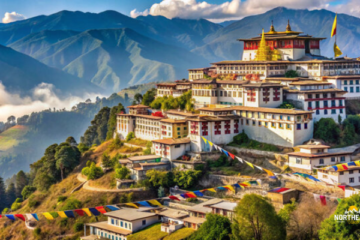
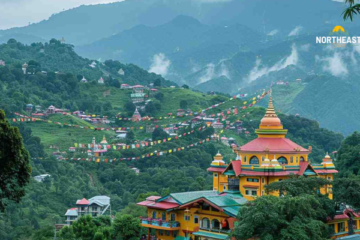
Located among the snow-capped peaks of the Eastern Himalayas, Sikkim is a land of stunning landscapes that feature not only the high mountains and deep green valleys but also the monasteries that are covered with prayer flags. However, the main reason that Sikkim is so wonderful is its seasonal changes. Winter with its silent snowfall, summer with its rhododendron bloom, and autumn with its golden harvest each season glorifies Sikkim.
If they are planning to visit Sikkim, the travelers must know that a better understanding of the seasonal changes will lead them to the core of Sikkim. Here is a well-researched and detailed seasonal guide through which you can select the time of your visit to this Himalayan wonderland.
Winter (December to February): A Snow-Laden Paradise
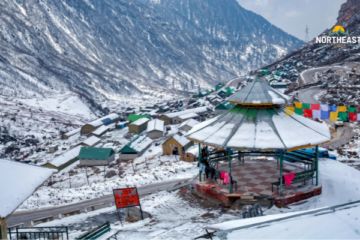
The arrival of winter in Sikkim is accompanied by a calm sort of enchantment. The temperatures usually go down to between 0°C and 10°C, and in the areas like Lachung, Lachen, and Tsomgo Lake, it is not uncommon to see the whole region covered with snow. If you are a fan of snow, then you cannot find a better time than this to see Sikkim clad in frost.
The northerly part of Sikkim is most of the time covered with snow, which makes it very popular with the adventurous ones who want to see the frozen Gurudongmar Lake among the highest lakes in the world. But at the same time due to heavy snow certain routes might be closed, however, places such as Gangtok and Pelling are still reachable and provide extraordinary views of Mount Kanchenjunga catching the winter sun.
Winter is a cultural time in Sikkim as well. Losoong, the Sikkimese New Year which is celebrated in December, is an occasion for prayer, dance, and traditional archery contests. Tourists can interact with the locals and also taste chang (a local millet beer) while sitting near the bonfires, which not only increases the comfort level but also lets them have a small but real insight into the mountain life.
Spring (March to May): The Blooming Heart of Sikkim
If one thinks that Sikkim is attractive only in winter, they would be proved wrong as the spring season comes to Sikkim filled with beauty, life, and colors. Once the snow has gone, the hills are covered with more than forty species of rhododendrons, orchids, and wildflowers. At the same time, Yumthang Valley commonly referred to as the “Valley of Flowers of the East” attracts more and more visitors with its gorgeous blossoms.
The temperatures of this time of year are also very pleasant they usually lie between 10°C and 20°C, and, in addition to that, the weather is quite dry during the day. All this together makes it the perfect time for trekking and other outdoor activities. Besides, trekkers can now take the Dzongri-Goecha La trail which is closed during the rest of the year and a reward for them will be the breathtaking views of Kanchenjunga and the other peaks.
Spring is also a religious time of year. Monasteries all over Sikkim are getting ready to welcome and celebrate such vibrant festivals as Pang Lhabsol and Ram Navami. Pilgrims find the most perfect opportunity to witness this as part of their itinerary, and they enjoy observing all the activities from the side-lines – the dancing of the masked people, the monks’ chanting, and the completely sincere and devoted atmosphere. The combination of spiritual and natural splendor makes the spring one of the most satisfying times to come.
At the beginning of the summer, Sikkim is receiving its monsoon and along with heavy rains, the region is getting its lifeblood. The temperatures are quite moderate they rarely fall below 15°C and rise above 22°C, and although this is the season when most of the rain falls, Sikkim shows a side that very few tourists have seen.
The waterfalls such as the Seven Sisters Falls, Banjhakri Falls, and Kanchenjunga Falls are among the places that look their best during this time. The hills are turning green and are covered with grass, and there is mist running through the pine forests and creating wonderful designs.
That is to say heavy rains might sometimes cause landslides making the area not very secure but nonetheless it is still possible that early summer in general, and June in particular can be a lovely period for people who are looking for peace and quiet. Some photographers take advantage of this time and its heavy clouds, freshened-up terrain, and the rare but gorgeous rainbow spread over the valleys to shoot great pictures.
Aside from this, the season is also full of local culture. Planting of new crops is the task that the farmers take up after the rains have ceased, while the agricultural communities are busy with the celebration of the same through songs and feasts. Suppose a traveler wants to have some really genuine interactions, then he/she should opt for the homestays in the villages Rinchenpong or Namchi where he/she will be able to see first-hand the friendliness of the Sikkimese people.
Autumn (September to November): The Golden Season of Festivals and Clarity
Autumn may well be the most popular and loved season in Sikkim. The monsoon clouds disappear and with them the view of a blue sky and the majestic Himalayas appears. The air turns crisp and temperature varies between 10°C and 17°C which is certainly very comfortable for sight-seeing and trekking.
During this period Kanchenjunga is just spectacular and such a view can be enjoyed from a number of places like Tashi View Point, Pelling Skywalk or Rinchenpong ridge. All trekking trails have now been reopened offering great trekking conditions at great altitudes.
The festivals of the fall season in Sikkim are also the biggest of the year Dashain and Tihar which light-up homes with oil lamps, marigold garlands decorate doors and windows and everybody sings, prays and celebrates. Visitors are allowed to mingle with the locals and partake in the feasts and dances of this occasion.
Also, this time is a nature extravaganza. Rice terraces turn into the splendid gold color under the sun and the forests become a harmonious mix of amber and red. This season is definitely the best for those travelers who want to combine nature with culture.
To the precision of a Swiss watch, one may have a look at the seasonal breakdown below to plan a visit:
- January–February: Snow in the upper regions of the mountains, a paradise for winter sport lovers.
- March–April: The absolute best to witness flowers opening, enjoy a calm sky and comfortable weather.
- May: Perfect to combine trekking with camera work before the onset of the monsoon season.
- June–August: Quiet but still green, great for those wanting to stay away from the crowd.
- September–November: Perfect for experiencing festivals, trekking, and getting vistas of mountains.
- December: Great for attending cultural events, experiencing cold nights, and celebrating festivals.
Every season in Sikkim has its own tempo so there is never any “wrong” time to visit here, only different experiences to be discovered.
Responsible Travel in Sikkim: A Gentle Reminder
Being the most eco friendly state of India, Sikkim leads the way in organic farming and has implemented a ban on plastic. Visitors are expected to tread lightly bring your reusable container, follow the local customs and do not litter. The delicate mountain environment is only a happy one if it is taken care of.
Supporting sustainable tourism through the use of local homestays and community-based tours not only gives you a deeper experience but also helps grow the concept of eco-tourism. For instance, the village Dzongu (which is the home of the Lepcha tribe) and its homestays are not only a door opener to the heritage of the area but also a direct injection of income to the local families as you stay with them.

7 Days – 6 Nights – Package Tour
Meghalaya Taxi Tour 7Days/6Nights Places Covering: Shillong, Cherrapunji, Mawlynnong, Kerangsuri and Guwahati (Complete Taxi Tour with professional Driver cum guide) Including Tolls, Parking, Fuel and Driver’s Night Allowance.

7 Days – 6 Nights – Package Tour
Meghalaya & Kaziranga Taxi Tour 7 Days/ 6 Nights Kaziranga, Shillong, Cherrapunji, Dawki, Kerangsuri and Guwahati (Complete Taxi Tour with professional Driver cum guide) Including Tolls, Parking, Fuel and Driver’s Night Allowance.

9 Days – 8 Nights – Package Tour
Trekking Special Taxi Tour 9Days/8Nights Covering: Shillong, Cherrapunji, Double Decker living Root Bridge, Mawlynnong, Bamboo Trekking & Kerangsuri Including Tolls, Parking, Fuel and Driver’s Night Allowance.

12 Days – 11 Nights – Package Tour
Meghalaya + Kaziranga + Arunachal Taxi Tour 12Days/11Nights Shillong, Cherrapunji, Mawlynnong, Guwahati, Kaziranga, Bomdila, Tawang, Diranga Including Tolls, Parking, Fuel and Driver’s Night Allowance.
Why Sikkim is a Year-Round Treasure
Most of the places that suffer from overcrowding during peak seasons cannot be compared with Sikkim in this respect. This is because the latter’s appeal is a very calm one. It does not matter if you come for snow or sun, spirituality or solitude, the fact remains that each year time unveils a different side of the Himalayas to you.
During the winter you are allowed to experience quietness. Spring brings you new life. Summer comes with the much needed and very beneficial rain. And lastly, Autumn is all about golden celebrations. Together, these four make up a story which in a way tells about Sikkim being resilient, colorful and closely tied to nature.
So, when mapping out your trip, do not limit yourself to the question of when would it be best to visit Sikkim, also consider in what way you would like to be feeling during your visit. Because here, in the realm of the fluctuating skies and the sacred mountains, every season extends a hand for you to embrace once again the feeling of awe.